

Confused by the Schwa /ə/ sound? Unlock a natural English rhythm. This guide reveals how to pronounce the ‘lazy uh’ vowel in unstressed words like ‘about’.
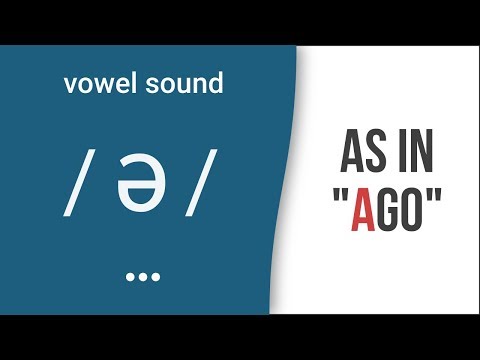
Hey there, future fluent English speakers! Ready to uncover one of the BIGGEST secrets to sounding natural and rhythmically correct in American English? We’re talking about a super tiny, often “invisible,” but VITAL vowel sound: the Schwa vowel! You hear it in words like “ago,” “the,” “about,” or even “today“! Its phonetic symbol is /ə/ – looks like a tiny upside-down ‘e’!
Now, why is this “tiny” sound such a huge deal? Well, in American English, Schwa is like the Queen of Laziness! It ONLY appears in UNSTRESSED (weak) syllables. In fact, it’s the MOST common vowel sound in American English! But if you don’t use it, or if you pronounce it too strongly…
What kind of “Schwa Shockers” do learners often encounter?
- The “Too Clear” Trouble: You try to say “about” /əˈbaʊt/ but it comes out like a very clear, strong “A-bout.” Or “today” /təˈdeɪ/ sounds like “TO-day.” This over-pronunciation of weak syllables totally ruins the natural rhythm of American English. You’re wasting energy and breaking the “music” of the language!
- The “Schwa vs. UH” Headache! Sometimes, “UH” sounds like /ʌ/ (as in “cup,” “love”). Schwa sounds similar! How do you know when to use the super-lazy /ə/ and when the slightly clearer /ʌ/? This causes huge confusion and leads to mispronunciation.
- The “Vanishing Vowel”: If you don’t know about Schwa, those quick, reduced vowel sounds just seem to “disappear” when native speakers talk fast, making listening a nightmare!
- The Spelling Scramble! Prepare for ultimate confusion: the Schwa sound /ə/ can be spelled by ANY vowel letter (A, E, I, O, U) and even combinations like ‘IO’, ‘OU’! There’s no fixed rule based on spelling.
It’s frustrating! You’re expending too much effort on unimportant syllables, breaking your natural rhythm, and wishing you could achieve that smooth, effortless American flow. You want to sound perfectly native, but this sneaky vowel keeps holding you back!
But fear not, future fluent friends! Today, you’re about to become a Schwa Super-Sleuth! This ULTIMATE, kid-simple guide will make the American Schwa /ə/ crystal clear:
- Meet the Queen of Unstressed Syllables: Schwa /ə/: What IS this super-relaxed vowel, and why is it so incredibly common?
- The #1 Rule: SCHWA ONLY in UNSTRESSED SYLLABLES! This is THE key! If the syllable isn’t important, it’s a Schwa!
- Schwa /ə/ vs. UH /ʌ/: The ULTIMATE Showdown! Learn the golden rule to tell them apart (it’s all about STRESS!).
- Mouth Moves for Mumbling Like a Pro (Kid-Style!): Easy, step-by-step instructions for getting that perfectly relaxed tongue and neutral lips!
- Spelling Solved! Schwa’s Many Disguises: A, O, E, I, U, IO, OU… We’ll simplify this chaotic spelling system!
- Zap Common “Schwa-Shocker” Errors! Stop over-pronouncing and get your rhythm on point!
- “Above the Ocean” Practice! Awesome drills with essential words (‘the’, ‘about’, ‘ago’, ‘today’, ‘even’, ‘person’, ‘parent’) to get your Schwa flowin’ naturally!
Get ready for your “again,” “tomorrow,” “family,” and “problem” to sound effortlessly native, natural, and rhythmically perfect! Let’s “reduce” some stress! 😉
What is This Mysterious Schwa Vowel /ə/ Anyway? (The “Lazy UH!”)
Alright, let’s formally introduce the superstar of American English vowels: the Schwa sound /ə/. You hear it everywhere, literally ALL THE TIME! It’s in the “a” of “ago,” the “a” of “about,” the “o” of “today,” and even the “e” in “the” (when it’s a weak word). Its phonetic symbol is /ə/, which makes it look kinda sleepy, like a half-closed eye!
The Schwa /ə/ is considered the MOST common vowel sound in all of American English! [Video: 0:41 “The /ə/ sound is one of the two most frequently used vowels… one in every five words has the /ə/ sound.” Web also states this]. Why is it so common? Because English loves to make unstressed (weak) syllables easy and fast.
Its Core Superpowers (Explained Super Simply!)
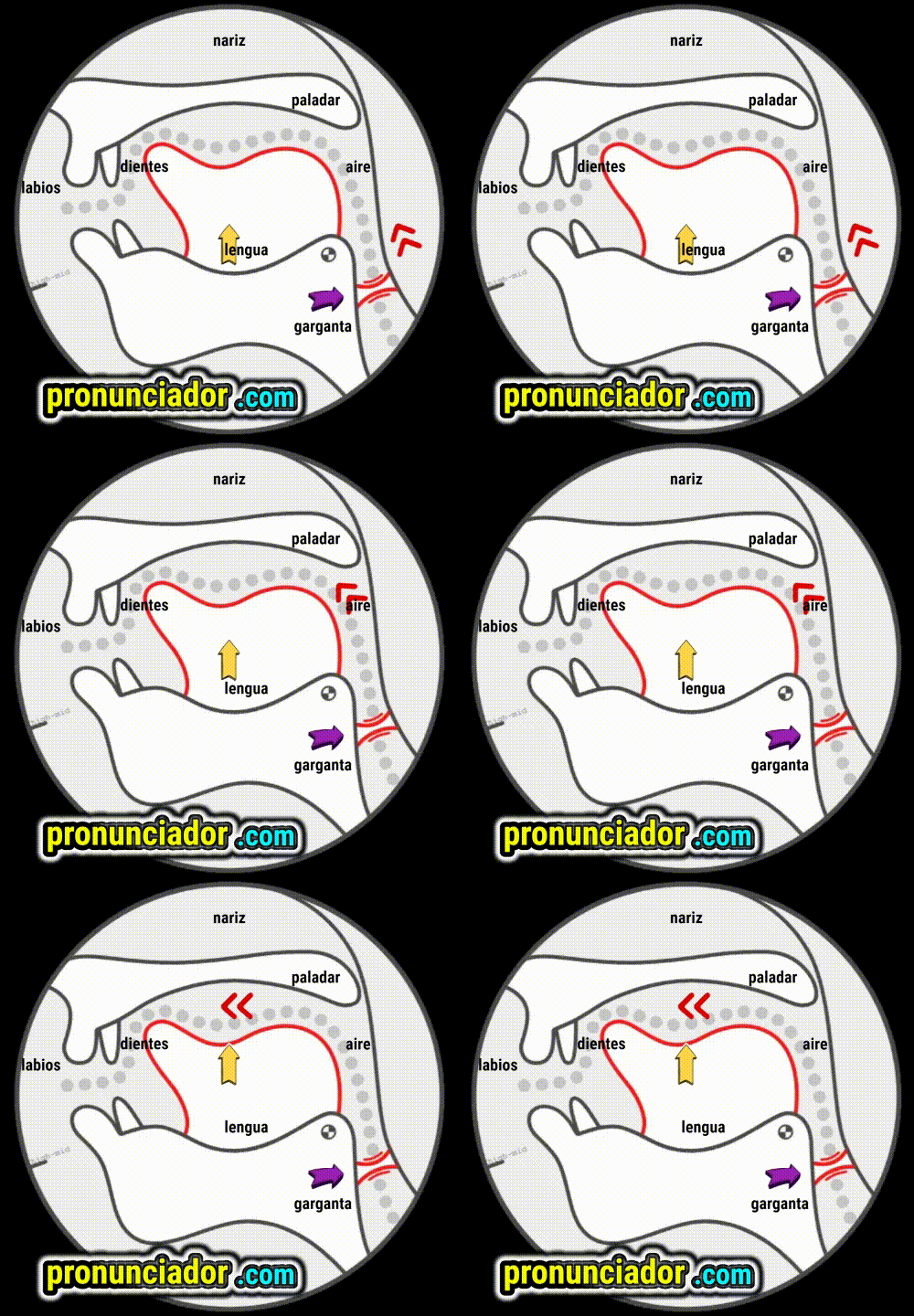
Sound experts (phoneticians!) call Schwa a “mid, relaxed, central vowel.” Here’s what that means for you and your mouth:
- Central (Tongue Right in the MIDDLE!): Your tongue, for the Schwa, is truly lazy! It just hangs out right in the exact middle of your mouth. It’s not pushed forward like for “eeee” (/i/) or pulled back like for “oooo” (/u/). It’s the ultimate “default” tongue position.
- Mid (Tongue Kinda Medium Height): Your tongue isn’t super high touching the roof, and it’s not super low. It’s at a comfortable, mid-height, neutral position. This means your JAW is only open A LITTLE BIT.
- RELAXED!!! (ULTIMATE LAZY VOWEL!): This is the ABSOLUTE KEY! This vowel requires the least amount of muscle effort in your mouth! Your lips and tongue are COMPLETELY floppy, loose, and relaxed. No tension, no shaping. Just… natural. This makes it quick, quiet, and indistinct.
- Lips (Neutral & Relaxed): No smiling, no kissy face, no rounding. Your lips are just normal and completely relaxed, doing absolutely nothing special.
Super-Simple “Lazy Sigh” Summary for /ə/:
- Open your mouth just a little.
- Let your lips be completely neutral and relaxed (don’t even think about them!).
- Let your tongue totally relax and just lie flat in the very middle of your mouth.
- Then, just make a super short, quiet, mumbled “uh” sound without any effort! Like a little sigh: “əh.”
This is your Schwa!
The Defining Rule: SCHWA ONLY in UNSTRESSED Syllables! (This is Paramount!)
This is THE golden rule for Schwa /ə/:
- Schwa /ə/ is the vowel of reduction – it only appears in weak, unstressed syllables in American English.
- Stressed syllables (the strong beat, the part of the word you emphasize) never contain a Schwa /ə/. They always have a “full” vowel.
- Schwa is the default “placeholder” vowel when a syllable isn’t stressed, allowing English to have its characteristic stress-timed rhythm (where strong syllables are prominent and weak ones are rushed/reduced).
Compare these:
- “about” /əˈbaʊt/: The first “a” is unstressed, so it becomes Schwa /ə/. The “bout” is stressed.
- “ago” /əˈɡoʊ/: The first “a” is unstressed, so it becomes Schwa /ə/. The “go” is stressed.
- “person” /ˈpɜrsən/: The ‘er’ in “per” is stressed, so it’s a full /ɜr/ sound. The ‘on’ is unstressed, so the ‘o’ becomes Schwa /ə/.

The ULTIMATE SHOWDOWN: Schwa /ə/ (Lazy, Unstressed) vs. Strut /ʌ/ (Lazy, STRESSED)
These two vowels often confuse learners because they sound very similar (both are relatively central, indistinct, and lax). [Video: 5:06 Related Videos for /ə/ lists /ʌ/ as “as in us”].
The ONLY REAL DIFFERENCE: STRESS (Strong Beat vs. Weak Beat)!
| Feature | Schwa /ə/ (AgO, ABout, the) | Strut /ʌ/ (CUP, Luv, Run) |
| WHERE in a word? | UNSTRESSED (WEAK) syllables ONLY! | STRESSED (STRONG) syllables ONLY! |
| Sound Clarity? | Blurry, indistinct “uh” | Clearer, more defined “uh” (though still lax) |
| Effort Level? | ULTRA-RELAXED (Minimal Effort) | Relaxed (but slightly more effort than Schwa) |
| Acoustic Quality? | Shorter, quieter, almost “swallowed” | Slightly longer, louder, clearer |
| Example Pair: | above /əˈbʌv/ | above /əˈbʌv/ |
| (first ‘a’ = Schwa /ə/) | (second ‘o’ = Strut /ʌ/) |
Think of it like this:
- Schwa /ə/: The “uh” sound you use for quick, quiet, unimportant syllables that you don’t emphasize.
- Strut /ʌ/: The “uh” sound you use for strong, emphasized syllables, like in “cup” or “love.” (It sounds the same as /ə/ to many ears, but carries the stress.)
This distinction is fundamental for American English rhythm. Mastering where to put your strong syllables (with full vowels or Strut /ʌ/) and where to “mumble” (with Schwa /ə/) completely changes how naturally you sound!
Your Mouth on “Chill Mode”: Making the Schwa /ə/ (Super Easy Steps!)
Ready to master the most relaxed sound in American English? It’s all about doing as little as possible!
Step 1: Mouth Open Just a Crack, Lips Doing Nothing.
Keep everything loose. Your jaw is relaxed. Your mouth is open just a little bit – barely.
Your lips are completely neutral and relaxed, not forming any shape (no smiling, no rounding). Just being lazy!
Step 2: Tongue Napping in the Center! (Absolute Relaxation)
This is the key!
- Let your tongue totally relax. It should be soft, like jelly.
- Let it simply rest in the exact middle of your mouth. Not forward, not back, not high, not low. Just centered at midline.
- It’s literally your tongue’s resting position – minimal effort!
Step 3: The Short, Quiet, Mumbled “Uh”! (Almost Invisible)
- Now, just make a very short, very quiet, mumbled “uh” sound with your voice, letting the air flow out gently.
- Because your mouth is doing almost nothing, and the tongue is relaxed and central, this is the sound that naturally comes out! It should be barely noticeable, often blending into other sounds. “əh.” [Video: 1:38 Audio sample /ə/].
Kid-Friendly “Mumble” Cue: “Imagine you’re super sleepy and just saying ‘uhhhhhh’ because you can’t be bothered to talk loudly. Your mouth barely moves, your lips are lazy, your tongue just rests in the middle. Make a super short, quiet ‘uh.’ That’s your Schwa!”
Key Feeling: The ABSOLUTE MINIMUM of muscle effort. Lips, jaw, tongue – ALL relaxed. The sound is short, quiet, and indistinct. It’s the “uh” that disappears if you don’t listen carefully.
Schwa’s Spelling Disguises: How Many Letters Sound Like /ə/? (Prepare to Be Amazed!)
This is the trickiest part about Schwa /ə/! Since it’s the default sound for ANY unstressed vowel, it can be spelled in a shocking number of ways! The primary source confirms: “The /ə/ sound can be represented by almost any vowel letter or letter combination of English alphabet.”
Here are the most common ways the Schwa /ə/ sound is spelled in unstressed syllables (based on the Sounds American web pie chart, percentages might slightly vary by source or analysis):
- Letter ‘A’ – The Biggest Surprise! (~34%): ‘A’ is the most common letter to be pronounced as Schwa /ə/ when it’s unstressed.
- above /əˈbʌv/
- about /əˈbaʊt/
- again /əˈɡɛn/
- ahead /əˈhɛd/
- around /əˈraʊnd/
- allow /əˈlaʊ/
- ago /əˈɡoʊ/
- apartment /əˈpɑrtmənt/
- (Also: often at start of words with prefix ‘a-‘, ‘ab-‘, ‘ac-‘ etc.)
- Letter ‘E’ – The Second Most Common (~17%): ‘E’ is often a Schwa when unstressed, especially at the end or in prefixes.
- even /ˈivən/
- problem /ˈprɑbləm/
- open /ˈoʊpən/
- listen /ˈlɪsən/
- given /ˈɡɪvən/
- haven /ˈheɪvən/
- happen /ˈhæpən/
- (Often in suffixes like -en, -er, -el, -et)
- Letter ‘O’ (~18%): ‘O’ frequently becomes a Schwa when unstressed.
- today /təˈdeɪ/ (The first ‘o’)
- person /ˈpɜrsən/
- action /ˈækʃən/
- morrow (in “tomorrow”) /təˈmɔroʊ/
- bottom /ˈbɑtəm/
- condition /kənˈdɪʃən/ (the ‘o’ here is often schwa)
- problem /ˈprɑbləm/
- Letters ‘IO’ (a common ending combination) (~13%):
- nation /ˈneɪʃən/
- question /ˈkwɛstʃən/
- action /ˈækʃən/
- condition /kənˈdɪʃən/
- infection /ɪnˈfɛkʃən/
- vision /ˈvɪʒən/
- edition /ɪˈdɪʃən/
- Letter ‘I’ (~8%): ‘I’ also reduces to Schwa when unstressed.
- pencil /ˈpɛnsəl/
- family /ˈfæməli/
- animal /ˈænəməl/
- medicine /ˈmɛdəsən/ (also with a silent ‘i’ option)
- cushion /ˈkʊʃən/
- original /əˈrɪdʒənəl/
- Letter ‘U’ (~7%): ‘U’ as Schwa when unstressed.
- product /ˈprɑdʌkt/
- suppose /səˈpoʊz/
- document /ˈdɑkjəmənt/
- surprise /sərˈpraɪz/
- virtual /ˈvɜrtʃuəl/
- occur /əˈkɜr/
- Other Combinations (like ‘OU’, ‘EO’, ‘UI’) (low percentage ‘etc.’):
- OU: courage /ˈkɜrɪdʒ/, delicious /dɪˈlɪʃəs/, famous /ˈfeɪməs/.
- EO: people /ˈpipəl/. (Often considered an exception where ‘eo’ spells Long E, but it’s often a reduced vowel here).
- AI: moutain (in ‘mountain’) /ˈmaʊntən/ (this is the N with a syllabic N not Schwa before the N often – /maʊnʔn̩/) – This is tricky.
- (Important note from my broader research for learners: When ‘A’, ‘E’, ‘I’, ‘O’, ‘U’ are prefixes or common word endings (like -er, -tion, -ment, -al, -ful, -less), they very often become Schwa!)
The Shocking Truth: In words like “ability” /əˈbɪlət̮i/, “person” /ˈpɜrsən/, “parent” /ˈpɛrənt/, “action” /ˈækʃən/, “academic” /ˌækəˈdɛmɪk/, and “accurate” /ˈækjərət/, you can see many of these Schwa patterns in action!
Whoops! Common Schwa Blunders & Easy Fixes!
Let’s fix the ways learners often make the natural Schwa sound unnatural!
- MISTAKE #1: “TOO CLEAR” – OVER-PRONOUNCING Schwa!
- Problem: You try to say a full, strong vowel (like a clear ‘A’ or ‘O’) where Schwa /ə/ should be. “About” sounds like “Aaa-BOUT,” or “Today” sounds like “OH-day.” This makes your English choppy, unnatural, and uses too much energy. [This is the central problem for Schwa!].
- THE #1 FIX: THINK “LAZY MUMBLE”! Schwa /ə/ is meant to be super weak and quick. Open mouth just a tiny bit. Lips neutral, tongue central, ALL muscles relaxed. Give it minimum effort. It’s the “uh” of being bored!
- MISTAKE #2: CONFUSING Schwa /ə/ with Strut /ʌ/ (“Cup” Sound)!
- Problem: Both sound like “uh.” You might accidentally put a weak Schwa /ə/ in a stressed syllable that should have Strut /ʌ/, or use a stronger /ʌ/ in a weak syllable that should have Schwa. This messes up rhythm!
- THE FIX: REMEMBER STRESS!
- Schwa /ə/: ALWAYS for UNSTRESSED syllables (“ə-BOUT”).
- Strut /ʌ/: ALWAYS for STRESSED syllables (“CUP”).
Learn to feel the word’s strong beat versus its weak, mumbled beats.
- MISTAKE #3: LIPS NOT NEUTRAL! (Rounding or Spreading Too Much for Schwa!)
- What Happens: You round your lips (like for ‘O’ or ‘U’ sounds) or spread them widely (like for ‘E’ or ‘I’). This makes the Schwa sound too specific and loses its neutral, mumbled quality.
- The Fix: RELAX YOUR LIPS! Seriously, no special shape! Keep them soft, neutral, and out of the way. Like you’re not trying to do anything.
- MISTAKE #4: TONGUE NOT CENTRAL OR RELAXED ENOUGH!
- Problem: Your tongue pulls too far forward or back, or tenses up, making the Schwa sound like a different vowel.
- Solution: LET YOUR TONGUE NAP! Let it just rest completely relaxed in the absolute middle of your mouth. It’s like your tongue’s home base – easy and effortless.
- MISTAKE #5: NOT IDENTIFYING SCHWA IN ITS MANY SPELLING DISGUISES!
- The Frustration: You see ‘A’, ‘E’, ‘O’, ‘I’, ‘U’, ‘IO’… and try to say their full sounds even if the syllable is weak.
- The Fix: STRESS FIRST! Once you know which syllable is not stressed, expect a Schwa! Then check the spelling chart to see which letters are common for Schwa in that spot. Consciously practice reducing that vowel to the lazy “uh.”

“Schwa-ntastic!” Practice Drills for a Smooth American /ə/!
Time to get those weak syllables mumbling like a pro!
Exercise 1: The “Lazy Mumble” – Pure Schwa /ə/!
- Mouth slightly open. Lips neutral, relaxed. Tongue relaxed, central at midline.
- Make a very short, quiet, mumbled “uh” sound: “ə, ə, ə.”
- This is the sound of minimal effort. Don’t add any muscle or force.
Exercise 2: Schwa /ə/ vs. Strut /ʌ/ – The STRESS Test!
Feel the WEAK (Schwa) vs. STRONG (Strut) “uh”! Hand on chest for stress!
- Schwa /ə/ (WEAK): above /əˈbʌv/, today /təˈdeɪ/, about /əˈbaʊt/, family /ˈfæməli/, lemon /ˈlɛmən/, collect /kəˈlɛkt/.
- Strut /ʌ/ (STRONG): Cup /kʌp/, Love /lʌv/, Run /rʌn/, Sun /sʌn/, (second ‘o’ in above is /ʌ/!): above /əˈbʌv/.
- Compare Within Words:
- Above [əˈbʌv] (1st ‘a’=/ə/, 2nd ‘o’=/ʌ/)
- Understand [ˌʌndərˈstænd] (1st ‘u’=/ʌ/, 2nd ‘er’=/ɚ/)
- Problem [ˈprɑbləm] (2nd ‘e’=/ə/)
- Again [əˈɡɛn] (1st ‘a’=/ə/)
- Suppose [səˈpoʊz] (1st ‘u’=/ə/)
Crucially, only practice the comparison where they truly fit (strong vs weak).
Exercise 3: Schwa’s Spelling Scramble – Practice Reducing!
For each word, reduce the bolded letters to a relaxed, neutral Schwa /ə/ sound!
- A-words (A = /ə/): about, ago, above, again, away, across, actual, adapt, against.
- O-words (O = /ə/): today, person, problem, tomorrow, bottom, collect, motor.
- E-words (E = /ə/): even, happen, listen, open, given, travel, happen.
- IO-words (IO = /ə/): nation, question, action, condition, vision, edition, addition, opinion.
- I-words (I = /ə/): pencil, family, animal, office, definite.
- U-words (U = /ə/): product, suppose, document, statue, feature.
- Other Combinations (like OU in common): famous /’feɪməs/.
(Source list of 30 for /ə/ provides many direct examples. Will use these and focus on how a letter looks like A but sounds like /ə/. )
Exercise 4: Top 30 Schwa Words Workout!
| PHONETICAL PRONUNCIATION |
| PHONETICAL PRONUNCIATION |
For EACH word, pay special attention to the REDUCED vowel sound in the UNSTRESSED syllables. Is it a lazy, neutral Schwa /ə/? Is it quick and light?)
RECORD yourself and listen critically! Are your weak syllables truly relaxed and light?
Exercise 5: “Schwa Power” Sentences! Master that Rhythm! + RECORD!
Put your Schwa skills into action! Remember: STRESSED syllables (loud, clear) and UNSTRESSED (mumbled, quick Schwas /ə/) for that perfect American rhythm.
- “About [ə] six balloons [ə] [ˈbəluz] above [ə] the ocean [ə]”: /əˈbaʊt sɪks bəˈlunz əˈbʌv ði ˈoʊʃən/ (Note all the schwas and stresses!)
- (From video’s Bonus Track: “Seven balloons above the ocean” [5:22]. This is an EXCELLENT example.) -> Rephrasing for consistency: “Seven [ə] balloons [ə] above [ə] the ocean [ə]” → /ˈsɛvən bəˈlunz əˈbʌv ði ˈoʊʃən/ (Multiple Schwas!)
- “The person [ə] in the family [ə] has a problem [ə].” (Many unstressed Schwas!)
- “We need to understand [ərˈstænd] another [ə][ə] way [ə].”
- “Tomorrow [ə], my husband [ə] wants to agree [ə].”
- “They again [ə] saw a picture [ə] above [ə] them.” (Again, lots of schwas!)
Frequently Asked Questions (FAQ) about American English Schwa /ə/
What is the Schwa sound /ə/ and why is it so important in American English? (Kid-Friendly Answer!)
The Schwa /ə/ is the laziest, shortest, and most relaxed vowel sound in English! Imagine it as a little “uh” sound. It’s crucial because it’s the vowel of UNSTRESSED syllables. That means in weak parts of words (like the “a” in “ago” /əˈɡoʊ/), you don’t say a clear, strong vowel. You just mumble a quick /ə/! It’s the most common vowel in American English because natives constantly reduce (relax) weak syllables to sound natural and rhythmic!
What’s the main difference between Schwa /ə/ and the “UH” sound /ʌ/ (from “cup”)? They sound so similar!
This is the absolute KEY distinction!
- Schwa /ə/: ALWAYS occurs in UNSTRESSED (weak) syllables. It’s blurry, quick, and ultra-relaxed (“about” /əˈbaʊt/ where the ‘a’ is weak).
- Strut /ʌ/ (UH): ALWAYS occurs in STRESSED (strong) syllables. It’s a clearer, stronger “uh” (as in “cup” /kʌp/).
So, the difference is STRESS! Listen for the strong beat in a word – if the “uh” sound is there, it’s /ʌ/. If it’s a weak beat, it’s /ə/.
Schwa can be spelled by almost ANY vowel letter (A, E, I, O, U, etc.)?! How do I know when to use it?
You’re right, Schwa is a spelling chameleon!
The main rule to know WHEN: If a vowel letter (A, E, I, O, U) or vowel combination (IO, OU, UI, etc.) is in an UNSTRESSED SYLLABLE, it often becomes a Schwa /ə/.
What to do: First, identify the stressed syllable(s) in a word. Then, assume the vowels in the unstressed syllables might reduce to Schwa. While there isn’t a perfect spelling rule, knowing that it’s likely a Schwa in a weak position is a huge clue. You still need to listen or check the IPA for specific words you’re unsure about!
My English rhythm feels off because I over-pronounce unstressed syllables. How does Schwa help?
Exactly! If you say “TO-DAY” instead of “tuh-DAY” /təˈdeɪ/, you’re making a weak syllable strong. Schwa /ə/ helps by giving you a simple, universal, relaxed sound for all those weak syllables. Instead of trying to say a clear A, E, I, O, U in those spots, just relax your mouth (tongue central, lips neutral, barely open) and say a quick, mumbled “uh” (/ə/). This immediately brings your rhythm closer to native American English flow!
Is it “lazy” speech to use Schwa and reduce vowels in English?
Absolutely NOT! It’s a hallmark of natural, efficient, and fluent spoken American English. Native speakers use Schwa constantly and automatically. Trying not to reduce unstressed vowels makes your speech sound overly formal, choppy, or non-native. Mastering Schwa makes your English sound smoother, more natural, and saves you energy! It’s smart speech!
Key Takeaways: Your American Schwa /ə/ Will Be Z-z-z-uperb!
Fantastic work! You’ve successfully navigated the crucial landscape of the American English Schwa vowel /ə/, the “lazy UH” that dominates unstressed syllables. You now hold the secret to sounding much more native and rhythmic!
Remember these “Schwa-some” truths:
- /ə/ (Schwa) = Most Common Vowel! Made with ABSOLUTE MINIMUM EFFORT: mouth slightly open, lips neutral, tongue relaxed & central.
- RULE: ONLY in UNSTRESSED Syllables! (The ultimate test for where it goes).
- VS. /ʌ/ (Strut – “cup”) = STRESS! Schwa for weak beats, Strut /ʌ/ for strong “uh” beats.
- SPELLING CAMOUFLAGE: Can be A, O, E, I, U, IO, OU… when unstressed. Stress rules pronunciation here!
- IMPACTS RHYTHM: Helps words flow smoothly and makes stressed syllables pop. Don’t over-pronounce it!
- NOT LAZY SPEECH: It’s efficient, natural, standard American English!
The key is consciously relaxing your mouth for those weak syllables and identifying them by their lack of stress. Practice saying your common words with proper rhythm, using Schwa where needed. Record yourself. Listen critically. Your American English will soon have that smooth, connected, and effortless native flow! Go master your ability /əˈbɪlət̬i/!
👇🔥👇🔥👇🔥👇🔥👇🔥👇🔥
👉 RETURNS in the YEAR 2031 ! WHO? CLICK HERE ! 🔥
Dictionary & Pronunciation translator for english speakers (US,UK)
👇🔥👇🔥👇🔥👇🔥👇🔥👇🔥
Settings
Diccionario y Traductor de Pronunciación para hispanohablantes (español)
Improve Your English Pronunciation
Start Practicing Your Pronunciation
Search any word and learn how to pronounce it correctly with phonetic breakdown, audio and mouth positioning guides.
Finding pronunciation...
Error
👉 RETURNS in the YEAR 2031 ! WHO? CLICK HERE ! 🔥
👇🔥👇🔥👇🔥👇🔥👇🔥👇🔥
[phonetic_translator_form]
👇🔥👇🔥👇🔥👇🔥👇🔥👇🔥
👉 RETURNS in the YEAR 2031 ! WHO? CLICK HERE ! 🔥

👇🔥👇🔥👇🔥👇🔥👇🔥👇🔥
¿Cómo se pronuncian los números y letras del abecedario | alfabeto en inglés? descubrelo aqui:
👇🔥👇🔥👇🔥👇🔥👇🔥👇🔥
👉 ¡ REGRESA EN EL AÑO 2031 ! ¿QUIEN? ENTERATE AQUI ! 🔥

🔥 Perfecciona tu PRONUNCIACION en Ingles SIN REGLAS

Letras de canciones en inglés para aprender: Método práctico

Traductor con Pronunciación Escrita: Lee inglés fácil (Guía Visual) | Traductor y pronunciador de textos en ingles
Onomatopeyas Técnica para dominar la Pronunciación en Ingles

Diccionario: Pronunciación en Inglés ¿Cómo colocar la lengua?

Time & Date Pronunciation Secrets: The Native Guide (Beyond “O’clock”)
👉 ¡ REGRESA EN EL AÑO 2031 ! ¿QUIEN? ENTERATE AQUI ! 🔥
👇🔥👇🔥👇🔥👇🔥👇🔥👇🔥


👉 RETURNS in the YEAR 2031 ! WHO? CLICK HERE ! 🔥

👉 RETURNS in the YEAR 2031 ! WHO? CLICK HERE ! 🔥
