

Struggle with the V sound? Learn the key secret to fix V/F & V/B mix-ups. Our guide explains the voiced, ‘buzzy’ lip-to-teeth move for a perfect /v/. Discover how!
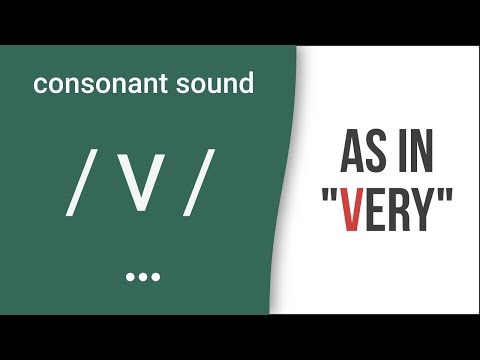
Learning theHey there, American English virtuosos! Get ready to vibe with a consonant sound that can add some serious vavoom to your pronunciation: the /v/ sound, as in “very,” “voice,” “give,” or “love”! Its phonetic secret identity is just /v/ – nice and straightforward!
Now, you might think, “The V sound? I’ve got V in my language!” And many of you do! But here’s the tricky part: the American English /v/ requires a very specific lip-to-tooth teamwork, a continuous stream of buzzy, airy friction, AND most importantly, that VOICE BOX needs to be ON and VIBRATING! If any of these ingredients are missing or a bit off, your “V” might not sound quite… “V-like”!
What kind of “V”-exations do learners commonly face?
- The “F” Fake-Out: This is the BIG ONE! Does your “van” accidentally sound like “fan”? Or “save” like “safe”? This happens when you make the perfect lip-to-teeth shape for /v/, but you forget to turn on your throat motor (vocal cords)! So you get the airy /f/ instead of the buzzy /v/.
- The “B” Blob: Sometimes, especially if your native language doesn’t have a clear V/B distinction or uses them differently (like Spanish, where ‘V’ often sounds like ‘B’), your “very” might morph into “bery.” This means you’re using both lips together to stop the air (/b/) instead of your bottom lip and top teeth to let air “fizz” through (/v/).
- The “Weak Whisper V”: Does your /v/ sound too soft, not buzzy enough, or almost disappear? You might not be creating enough friction (that vibrating airflow) or maintaining the voice consistently.
- The Curious Case of “of”: And then there’s the super common word “of.” Why is it spelled with an ‘F’ but sounds like /əv/ with a /v/ at the end?! Mind-boggling!
It’s totally normal to find the /v/ a bit slippery! You want your “live” (verb), “have,” and “drive” to sound powerful and clear, not like their voiceless cousins or another sound entirely!
But guess what? Today, you’re going to get very good at the American /v/! This ULTIMATE, crystal-clear guide (explained so simply, an 8-year-old can totally get it!) will make you a /v/ VIP:
- Meet the Vibrating /v/: What IS this “bottom-lip-to-top-teeth-VOICE-ON-WHOOSH!” sound?
- The #1 Undisputed Secret: F vs. V = VOICE OFF vs. VOICE ON! Master this, and you’ve mastered /v/!
- V vs. B: AIRFLOW vs. AIR POP! Why “very” and “berry” are worlds apart.
- Mouth Moves for a Vivid /v/ (Kid-Simple!): Easy, step-by-step for that perfect lip-to-teeth “buzzy airflow.”
- FRICTION & VOWEL LENGTH Secrets! How to get a strong /v/ and make vowels before it sound native.
- Spelling? Super Simple (Almost!): ‘V’ is your hero… plus the famous “of” exception!
- Vanquish “V”-illainous Errors! No more “fery” for “very”!
- “Voice Your Victory!” /v/ Practice! Awesome drills with tons of common words (‘very’, ‘have’, ‘live’, ‘love’, ‘voice’, ‘of’) to get your American /v/ vibrating perfectly!
Get ready for your “view,” “vote,” “vacation,” and “even” to sound vibrant, clear, and very, very American! Let’s venture forth!
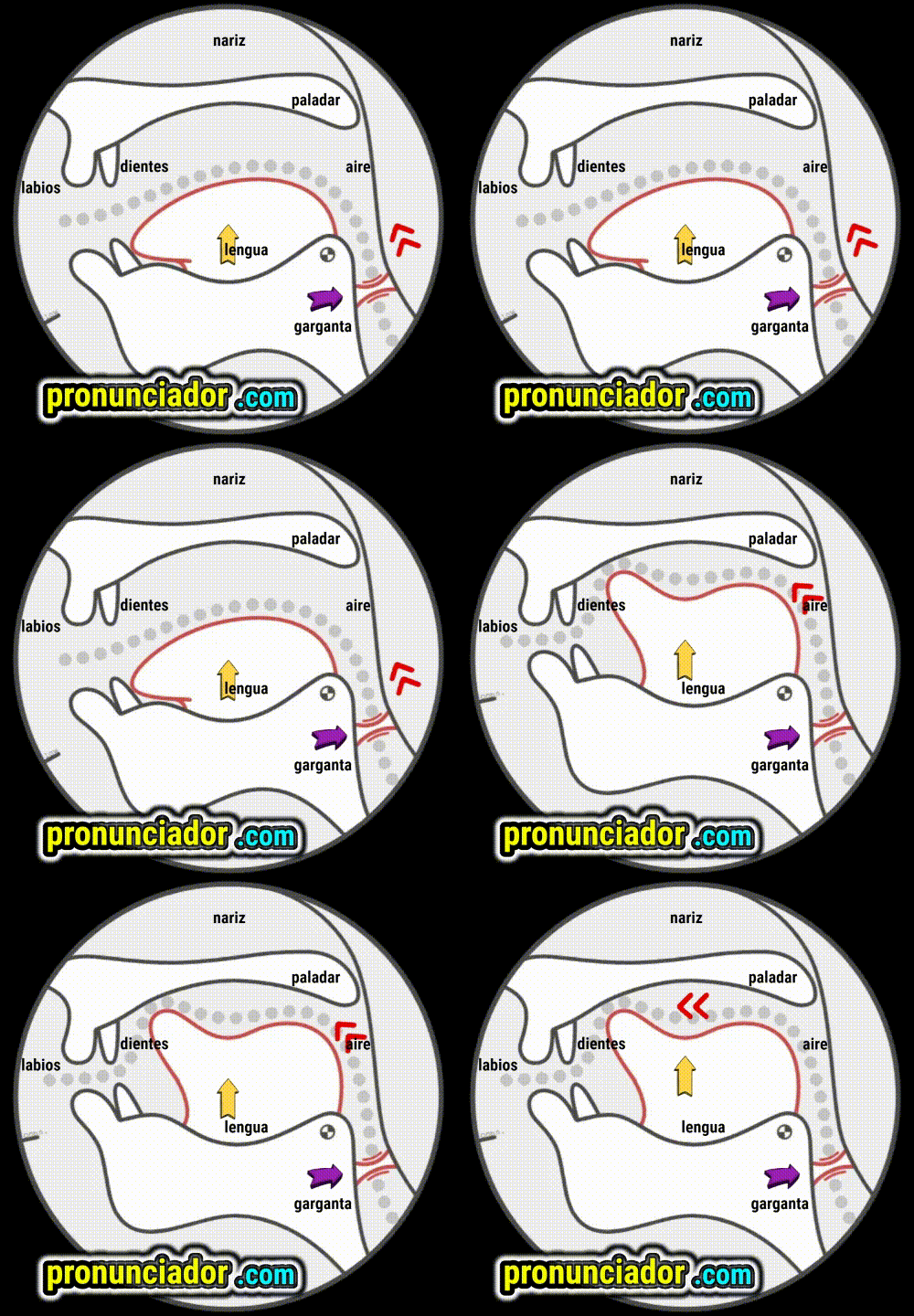
What is This “Buzzy Lip-Bite” /v/ Sound Anyway?
Alright, let’s properly introduce the American /v/ sound. It’s a consonant that you hear in super common words like “very,” “have,” “give,” “love,” and “over.” It’s one of the nine special Fricative Consonants in American English.
“Fricative?” What’s that in Simple Terms?
A fricative is a sound you make by squeezing air through a tiny, narrow gap in your mouth. As the air rushes through, it creates friction – a hissing, buzzing, or whooshing noise! You should be able to hold a fricative sound for a long time, like “ssssss” or “ffffff” or… our star today, “vvvvvv”!
Its Core “V”-IP Features (Kid-Friendly Version!)
The sound experts call /v/ a “labiodental, voiced, fricative consonant.” Sounds like a mouthful! Here’s the easy breakdown:
- Labiodental (Bottom LIP Gently Kisses Top TEETH!): This tells you where your mouth makes the sound.
- “Labio-” means LIP (your bottom lip).
- “-dental” means TEETH (your upper front teeth).
- So, for the /v/ sound, your BOTTOM LIP comes up and gently touches or presses against the bottom edge of your UPPER FRONT TEETH. This creates that super narrow gap for the air!
- VOICED (Throat BUZZER ON – Must Vibrate!): This is CRITICAL! “Voiced” means your vocal cords (your voice box engine in your throat) are TURNED ON and VIBRATING while you make the /v/ sound. If you put your fingers lightly on your throat and say “vvvvvv,” you MUST feel a clear buzzing or humming.
- Fricative (Continuous BUZZY Airflow!): This means the air, powered by your voice, flows CONTINUOUSLY through that tiny lip-to-teeth gap, making a steady, buzzing friction sound. You should be able to hold it: “Vvvvvvvvvvvvvv!”
Super-Simple “Buzzy Bee” Summary for /v/:
- Open your mouth just a little.
- Gently bring your BOTTOM LIP up so it lightly touches the bottom edge of your TOP TEETH (don’t bite hard!).
- Turn ON your voice motor in your throat (make it hum!).
- Now, BLOW that buzzing air continuously so it “fizzes” or “buzzes” out between your lip and teeth! “Vvvvvvvvv!”
It should feel and sound like a friendly bee buzzing by your lips!
The #1 Sound Battle: /v/ (Van – BUZZY Air) vs. /f/ (Fan – QUIET Air)
This is the most important distinction for nailing your /v/ (and /f/!). These two sounds are MADE IN THE EXACT SAME MOUTH POSITION! Bottom lip touches top teeth for BOTH.
The ONLY, ONLY, ONLY Difference = THROAT BUZZ (Voicing)!
| Feature | /v/ (Van, Save, Live verb) | /f/ (Fan, Safe, Life) |
| Lip-to-Teeth Contact? | YES! (Bottom lip, Top teeth) | YES! (Bottom lip, Top teeth) |
| Continuous Airflow? | YES! (“vvvvvv”) | YES! (“ffffff”) |
| THROAT BUZZING (Voice)? | ON! (VOICED – Must Buzz!) | OFF! (VOICELESS – Just Air!) |
The Biggest Learner Mistake: Pronouncing /v/ WITHOUT the voice (making it sound like /f/), especially at the end of words.
- “Have” /hæv/ accidentally becomes “Haf” /hæf/ (which isn’t really a common word, but sounds like “half”).
- “Live” (verb) /lɪv/ might sound like “Life” /laɪf/ (though “life” also has a different vowel, the /v/ still becomes /f/).
- “Save” /seɪv/ turns into “Safe” /seɪf/.
The Magic Fix: THE THROAT BUZZ CHECK! Fingers on your throat! - Say “Van” /væn/. Feel that buzzy “vvvvv.” BUZZ ON for /v/!
- Say “Fan” /fæn/. Feel only airy “fffff.” BUZZ OFF for /f/!
Master switching that voice motor ON and OFF while keeping your lip-to-teeth position steady!
The “B vs. V” Confusion: POP vs. AIR WHOOSH!
Another frequent mix-up, especially for learners whose native languages don’t strictly separate B and V sounds!
- /v/ (Very): LabioDENTAL Fricative. BOTTOM LIP + TOP TEETH. Air flows CONTINUOUSLY with friction and VOICE (“vvvvvv”).
- /b/ (Berry): BiLABIAL Stop. BOTH LIPS together. Air STOPS completely, then POPS out with VOICE (“buh!”).
Learner Trap: Pressing both lips together for /v/ (making a /b/ sound) OR using the lip-to-teeth position for /v/ but stopping the air like a /b/ instead of letting it flow.
The Fix: For /v/, it MUST be BOTTOM LIP lightly touching TOP TEETH, and the voiced air MUST keep FLOWING with that buzzy friction. For /b/, it’s BOTH LIPS pressed firmly, air STOPS, then a voiced “Pop!” No continuous airflow.
- Feel it: Very (buzzy air whooshes) vs. Berry (lips pop with buzz).

Your Mouth’s “Vibrating Vacation”: Making /v/ (Easy Steps!)
Ready to get that American /v/ buzzing perfectly? It’s easier than you think!
Step 1: Mouth Just a Little Open, Lips Relaxed (to begin).
Keep your mouth in a comfortable, slightly open position. Your lips should be relaxed before you make the specific /v/ shape.
Step 2: Gentle “Lip-Bite” Time! (Bottom Lip to Top Teeth)
This is the crucial /v/ (and /f/) mouth shape!
- Lightly bring your BOTTOM LIP up.
- Gently let the inside (backside) of your bottom lip touch the bottom edge of your UPPER FRONT TEETH.
- It’s a very LIGHT contact. You’re not really “biting.” Just enough for air to squeeze through a tiny gap. You should be able to hold this position comfortably.
Step 3: Turn ON the Throat Motor! (Voiced!)
- Before or AS you start blowing air, get your VOCAL CORDS VIBRATING! Feel that buzz in your throat. “Mmmmm” or “Zzzzzz” are good ways to feel voicing. Now apply that buzz to the /v/!
Step 4: Let the BUZZY Air Squeeze Out! (Continuous Friction!)
- With your bottom lip lightly touching your top teeth AND your voice ON, blow a steady stream of air OUT of your mouth.
- The voiced air should flow CONTINUOUSLY OVER your lower lip and squeeze through that tiny gap between your lip and teeth.
- You should hear and feel a clear, consistent BUZZING FRICTION SOUND: “Vvvvvvvvvvvvvv.” Make sure you get LOTS of friction – it should be a strong, clear buzz.
Putting It All Together (Kid-Friendly “Motorboat” Cue!):
“Okay, imagine your top teeth are the front of a motorboat and your bottom lip is the water. Gently bring the water (bottom lip) up to just touch the motorboat (top teeth). Now, turn on your boat’s motor in your throat – make it BUZZ! ‘Zzzzzz’. Keep that buzz going and let the air push out between the boat and the water, making a ‘Vvvvvvv’ sound, like the motorboat is speeding along!”
Critical Feeling: Light contact of inner bottom lip to upper teeth edge + CONTINUOUS, BUZZY airflow + STRONG throat vibration! You should be able to hold “Vvvvvvv” for several seconds!
Spelling the “Vibrant V” /v/ Sound: Almost Always ‘V’!
This is the BEST news! Unlike many tricky English sounds, the /v/ sound has incredibly SIMPLE and RELIABLE spelling!
The Absolute Champion: Letter ‘V’! (~100% of the time for actual /v/ words)
YES! If you see the letter ‘V’ in an English word, you can be about 99.999% sure it’s going to be pronounced with our /v/ sound!
- very, van, view, voice, vote, vacation.
- have, give, love, live (verb), move, save, drive.
- never, over, even, every, seven.
- (There are virtually NO cases where a written ‘V’ is silent or makes a different sound in standard English!)
The ONE Super-Famous Exception: ‘F’ in “of”!
This is THE classic exception that everyone needs to know by heart!
- The preposition of is spelled with ‘F’ but is pronounced /əv/ (Schwa + /v/) or sometimes /ʌv/ if stressed. The ‘F’ sounds like /v/!
- “A cup of /əv/ tea.”
- “Lots of /əv/ fun.”
- This also applies to its rare compound “thereof” /ðɛrˈʌv/ or /ðɛrˈəv/.
- WHY? History! “Of” used to be pronounced with /f/, but over time, in its unstressed function as a preposition, it weakened to /əv/. The spelling just never caught up!
Mega-Simple /v/ Spelling Rule:
- See ‘V’? Say /v/ (Buzzy F)! (Have, very).
- See “of”? Say /əv/ (UH-V)!
That’s basically it for 99.9% of American English words!
“V”-oicing Victory! Common /v/ Errors & How to Vanquish Them!
Let’s nail down those common trip-ups with the buzzy /v/!
- MISTAKE #1: VOICE OFF! (Saying /f/ instead of /v/ – DEVOICING)
- The Glitch: Your mouth shape (lip-to-teeth) is PERFECT, but your vocal cords are silent. So, “Very” sounds like “Fery.” “Have” becomes “Haf(e).” “Save” becomes “Safe.” This is extremely common!
- THE #1 FIX: TURN ON THE BUZZ! Feel that vibration in your throat for the ENTIRE /v/ sound, especially at the ends of words. Practice whispering “FFFFFF” then immediately turn on the voice to “VVVVVV” keeping everything else the same. Hand on throat helps!
- MISTAKE #2: THE “B” BOMB! (Substituting /b/ for /v/)
- Problem: You’re using BOTH lips pressed together and making a /b/ “pop” sound instead of the LIP-TO-TEETH continuous /v/ “whoosh.” “Van” becomes “Ban.” “Vote” becomes “Boat.”
- THE FIX: BOTTOM LIP TO TOP TEETH ONLY! Make sure only your bottom lip is rising to meet your top teeth. Both lips should NOT press together. And remember /v/ is AIRFLOW, /b/ is AIR STOP & POP. Feel the difference: “Berry” (lips pop) vs. “Very” (air fizzes).
- MISTAKE #3: NOT ENOUGH FRICTION! (A Weak, “Mushy” /v/)
- What’s Happening: You might have the voicing, and the lip-to-teeth position might be almost there, but if the gap is too wide or the airflow too weak, you don’t get that distinct, buzzy FRICTION. It sounds indistinct.
- The Fix: NARROW THE GAP & STEADY AIR! Ensure your bottom lip and top teeth are close enough to make the air “fizz” or “sizzle” as it passes through. Push the air out steadily and with a bit of energy. You should HEAR that friction! The source video emphasizes American V/F have “lots of friction.”
- MISTAKE #4: NOT HOLDING THE VOWEL LONG ENOUGH BEFORE FINAL /v/!
- The Nuance: Vowels before voiced consonants (like /v/) are generally held a tiny bit LONGER in American English than vowels before voiceless consonants (like /f/).
- Problem: If you say the vowel too quickly before a final /v/, it can make the /v/ itself sound cut off or even lead you to devoice it to /f/. “Save” might sound clipped like “safe.”
- The Fix: Consciously stretch out the vowel just a fraction more before a final /v/. Saaaaave (long A /eɪ/) vs. Safe (quicker A /eɪ/). Liiiiive (verb, long I /ɪ/) vs. Life (quicker Long I /aɪ/). This adds a lot of natural rhythm!
- MISTAKE #5: Pronouncing “OF” with an /f/ sound!
- Big Oops! Saying /ɒf/ (“off”) when you mean /əv/ (“of”). “Cup /ɒf/ tea.”
- Simple Fix: MEMORIZE “OF” = /əv/! (Uh-V). It’s a rule-breaker, learn it as a sight word with a V sound!

“Very Good!” Practice Exercises for Your American /v/ Sound!
Let’s get that labiodental buzz perfected!
Exercise 1: The “Throat ON, Air ON” Vvvvvvv Warm-up!
- Bottom lip gently to top teeth.
- Turn ON your throat voice/buzz.
- Blow air continuously, feeling the buzz on your lip and in your throat: “Vvvvvvvvvvvvvvvvvvvvv…”
- Hold it for 5-10 seconds. Make it strong and consistent! If it turns into FFFFF, your voice turned off!
Exercise 2: The ULTIMATE Showdown: /f/ (No Buzz) vs. /v/ (BUZZ!)
Keep that lip-to-teeth position EXACTLY THE SAME! Only switch your voice ON/OFF! Hand on throat!
- Fan /fæn/ (QUIET AIR) — Van /væn/ (BUZZY AIR!)
- Fine /faɪn/ — Vine /vaɪn/
- Safe /seɪf/ — Save /seɪv/ (Also feel vowel length difference!)
- Leaf /lif/ — Leave /liv/
- Offer /ˈɔfər/ — Over /ˈoʊvər/
- Proof /pruf/ — Prove /pruv/
Exercise 3: The “No B!” Challenge: /v/ (Air Fizz) vs. /b/ (Lip Pop)
Different lip actions! Different air actions!
- Vest /vɛst/ (Lip-teeth, air fizz) — Best /bɛst/ (Lips pop)
- Vote /voʊt/ — Boat /boʊt/
- Vile /vaɪl/ (awful) — Bile /baɪl/ (body fluid)
- Curve /kɜrv/ — Curb /kɜrb/ (edge of sidewalk)
- Having /ˈhævɪŋ/ — Habbit* /ˈhæbɪt/ (Need better BB word!) -> Try: Marvel /ˈmɑrvəl/ — Marble /ˈmɑrbəl/
Exercise 4: Word Power! Using Top 30 /v/ List!
| PHONETICAL PRONUNCIATION |
| PHONETICAL PRONUNCIATION |
For EACH word:
- Lip-to-Teeth!
- Throat BUZZ ON!
- Continuous AIRY FRICTION!
- If final /v/, make vowel before it a bit LONGER.
RECORD & CRITIQUE! Is your V consistently voiced and friction-filled?
Exercise 5: “I Love Very Fine Vases!” – /v/ Sentences + Recording!
Time for real talk! Record and check your V’s for voicing and friction!
- “I have [v] five [v] very [v] nice vases [v].” (NICE=/s/!)
- “Voice [v] your view [v] over [v] the phone.”
- “Never [v] leave [v] without proving [v] your love [v].”
- “We live [v] to drive [v] and save [v] everyone.”
- “A cover [v] story of [v!] great value.” (The mighty ‘OF’ /əv/!)
FAQs: Your American /v/ (“Very,” “Voice”) Questions Answered!
Q1: What’s the ONE simple trick to make my /v/ sound like an American’s and not an /f/?
TURN YOUR VOICE ON! The /v/ and /f/ sounds are made with the exact same mouth position (bottom lip gently touching top teeth, air squeezing through). The ONLY difference is your vocal cords:
- /v/ (“very”): Throat BUZZES ON!
- /f/ (“ferry”): Throat BUZZES OFF!
Put your fingers on your throat. Feel the buzz for /v/ (like a bee!). Feel just air for /f/. That’s the #1 secret!
Q2: How is the English “V” /v/ different from the English “B” /b/? They confuse me!
It’s all about where and how the air is managed:
- “V” /v/ (Lip-to-Teeth AIR WHOOSH): Your bottom lip touches your top teeth. Air squeezes out continuously with friction, and your voice is ON.
- “B” /b/ (Lips-Together AIR POP): Your two lips press together. Air is stopped completely, then POPS out, and your voice is ON.
Think: “V” is a fizzy soda (continuous buzz). “B” is a bubble popping (quick burst).
Q3: The word “of” is spelled with F but sounds like /v/! Why is English so weird?!
It’s a great question! “Of” (usually pronounced /əv/ with a Schwa and a /v/) is a super common irregular word. Historically, it was pronounced with an /f/, but over centuries, because it’s usually unstressed and connects other words, the sound softened and became voiced to /v/ for easier flow in speech. The spelling just never caught up with the sound change! It’s one you just have to memorize: “of” = /əv/.
Q4: I’m trying, but my /v/ sounds weak. How do I get more of that “buzzy friction”?
Make sure of two things:
- Good Lip-to-Teeth Contact: Your bottom lip needs to be close enough to your top teeth to create a narrow channel for the air. If the gap is too big, you won’t get much friction.
- Steady, Strong Voiced Airstream: Keep your voice ON and push a good, consistent stream of air through that narrow gap. Don’t let the air or the voice “die out.” Practice holding a long “VVVVVVVVV” sound, focusing on keeping the buzz and friction strong and steady. Americans use “lots of friction” for /v/ (and /f/).
Q5: You mentioned vowels are LONGER before a final /v/ than a final /f/. Is this a big deal?
It’s a subtle but real feature of American English rhythm! For example:
- “Save” /seɪv/: The /eɪ/ vowel sound is held a tiny bit longer.
- “Safe” /seɪf/: The /eɪ/ vowel sound is a tiny bit shorter.
It’s not something to obsess over when you’re first learning /v/, but as you get more advanced, paying attention to this “vowel length rule” (vowels longer before voiced consonants, shorter before voiceless ones) will make your speech sound even more natural. Focus on nailing the /v/ consonant sound first!

Key Takeaways: Your American /v/ Will Be “V”-ery Victorious!
You’ve done it! You’ve journeyed through the buzzy, friction-filled world of the American /v/ sound! You now know it’s all about that lip-to-teeth connection PLUS turning on your voice motor!
Keep these “V”-ital points:
- /v/ = Bottom Lip Gently Touches Top Teeth + THROAT BUZZ ON + Continuous AIRY FRICTION! (Voiced Labiodental Fricative).
- #1 KEY vs /f/ = VOICE ON for /v/, VOICE OFF for /f/. (Same mouth!).
- #1 KEY vs /b/ = LIP-TO-TEETH FRICTION for /v/, LIPS-TOGETHER POP for /b/. (Different actions!).
- FRICTION IS YOUR FRIEND! Make that “vvvvvv” buzz strong and continuous.
- SPELLING = ‘V’ (Easy!). Exception: “of” = /əv/.
- VOWELS LONGER before final /v/ (saaaaave).
- COMMON MISTAKES: Devoicing to /f/, using /b/, weak friction.
The absolute bedrock is feeling that vibration in your throat AND the friction between your lip and teeth AT THE SAME TIME. Keep practicing those /f/ vs /v/ minimal pairs (“fan/van,” “safe/save”). Record yourself. Listen to how Americans make a strong, clear, buzzy /v/ in words like “very,” “voice,” “live,” “have.” Your American English will sound so much more vibrant and clear! Keep up the valiant /væljənt/ effort!
👇🔥👇🔥👇🔥👇🔥👇🔥👇🔥


👉 RETURNS in the YEAR 2031 ! WHO? CLICK HERE ! 🔥
Dictionary & Pronunciation translator for english speakers (US,UK)
👇🔥👇🔥👇🔥👇🔥👇🔥👇🔥
English Pronunciation Translator
English to Multilingual
Convert English text into easy-to-read pronunciation in your language.
Diccionario y Traductor de Pronunciación para hispanohablantes (español)
Diccionario Interactivo con Pronunciación en inglés
¿Listo para mejorar?
Busca cualquier palabra y aprende a pronunciarla correctamente con fonética, audio y guía visual de boca, labios, etc.
Buscando pronunciación...
Error
👉 RETURNS in the YEAR 2031 ! WHO? CLICK HERE ! 🔥
👇🔥👇🔥👇🔥👇🔥👇🔥👇🔥
🇪🇸 Spanish Pronunciation
🌐 Universal Phonetic Translator
Select a language below and type any text. This tool will instantly convert it into English Phonetics so you can pronounce it like a native speaker. (e.g. "Ciao" → "Chow")
👇🔥👇🔥👇🔥👇🔥👇🔥👇🔥
👉 RETURNS in the YEAR 2031 ! WHO? CLICK HERE ! 🔥

👇🔥👇🔥👇🔥👇🔥👇🔥👇🔥
¿Cómo se pronuncian los números y letras del abecedario | alfabeto en inglés? descubrelo aqui:
👇🔥👇🔥👇🔥👇🔥👇🔥👇🔥
👉 ¡ REGRESA EN EL AÑO 2031 ! ¿QUIEN? ENTERATE AQUI ! 🔥
👇🔥👇🔥👇🔥👇🔥👇🔥👇🔥


👉 RETURNS in the YEAR 2031 ! WHO? CLICK HERE ! 🔥

👉 RETURNS in the YEAR 2031 ! WHO? CLICK HERE ! 🔥

👉 RETURNS in the YEAR 2031 ! WHO? CLICK HERE ! 🔥